
Colonial Dutch art recorded the Indonesian coffee plantation in detail — the terraced hillsides of Java and Sumatra, the drying yards, the labour — producing images that are at once handsome landscape
Mat width and colour for archival coffee prints
For archival coffee prints, a 5–8 cm mat in a warm off-white is the reliable default. Wider mats add gallery weight to small pieces; warm cream flatters aged paper where bright white reads cold and cl
Japanese coffee-trade-card art, 1900–1930
Japanese coffee advertising of roughly 1900–1930 fused Western coffee imagery with Japanese graphic conventions as coffee entered Japan through the kissaten café and imported brands. The result — seen
Frame styles by era: Belle Époque, Art Deco, botanical
Match the frame to the era and the piece holds together: a thin gilt or warm wood for Belle Époque posters, a clean black or chrome-look for Art Deco, and plain natural wood with a wide mat for botani
The Ottoman coffee vendor in 19th-c. travel prints
The itinerant coffee vendor was a stock figure of 19th-century European travel prints of the Ottoman world: a man with a brazier, a long-handled cezve, and a tray of small cups, recorded as an emblem
Best paper and finish for coffee art: matte, textured, giclée
For archival coffee art, matte is almost always right: a heavyweight matte or cotton-rag stock reproduces the character of lithographs, engravings, and paintings, hides glare, and suits aged-paper ori
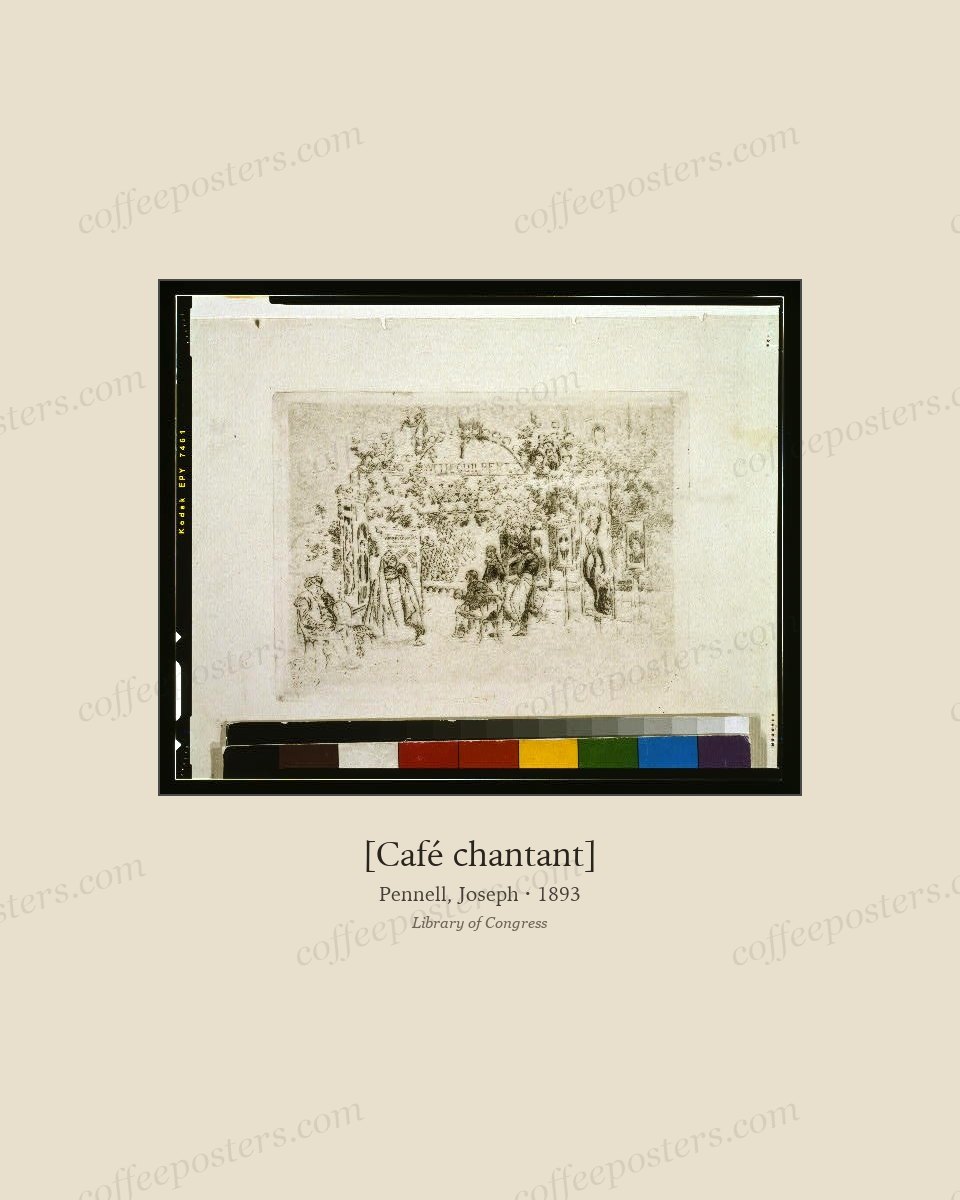
Paris café-concerts in Impressionist painting
The Paris café-concert — the café with a stage — was a central subject for the Impressionists and their circle. Manet, Degas, and others painted its singers, audiences, waitresses, and gaslit interior
Printing a coffee poster: home vs. print shop vs. pro lab
For a coffee poster, a home printer is fine for proofs and small sizes, a local print shop is the value sweet spot for mid sizes, and a professional photo lab on archival paper is worth the premium fo
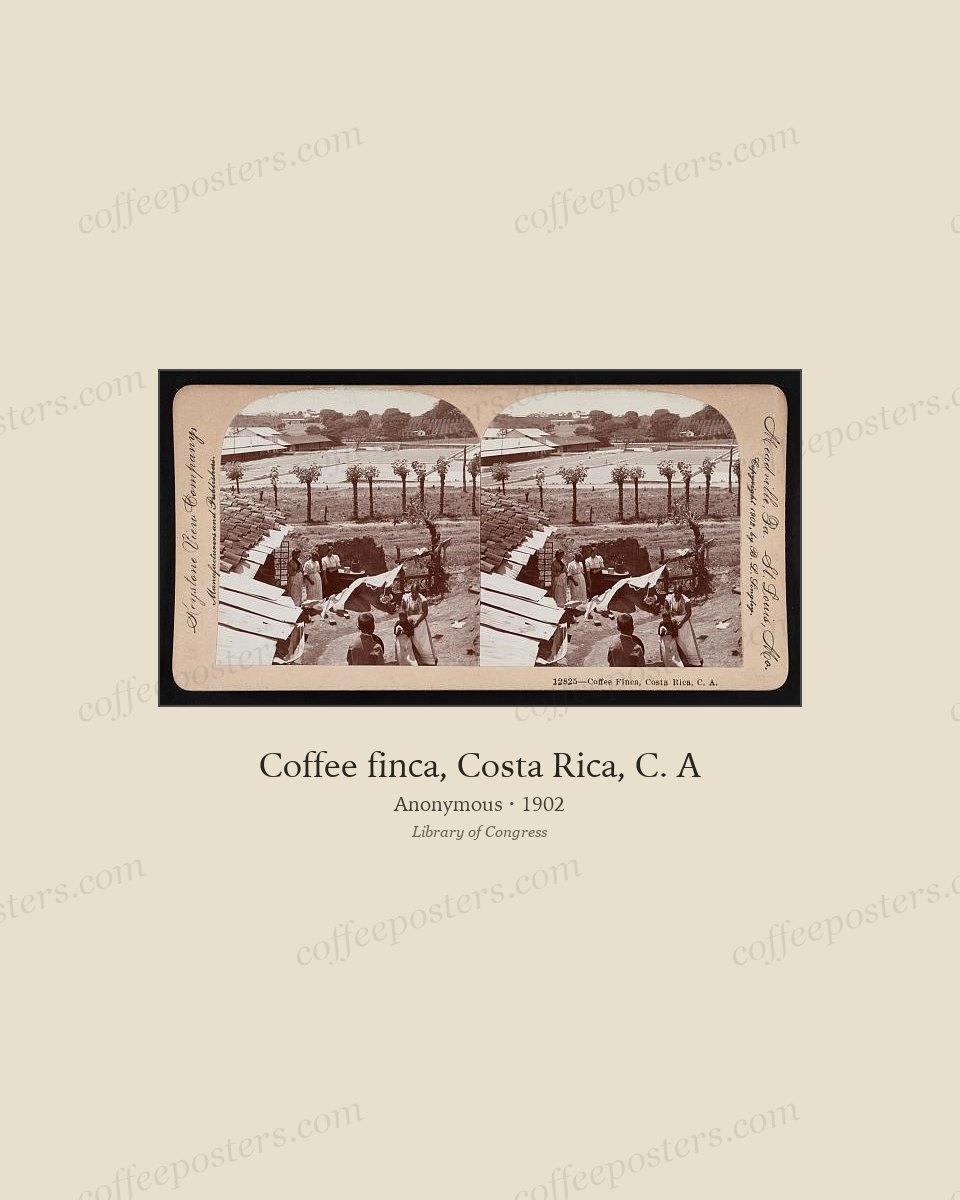
Dutch coffee-trade paintings: VOC era through 19th c.
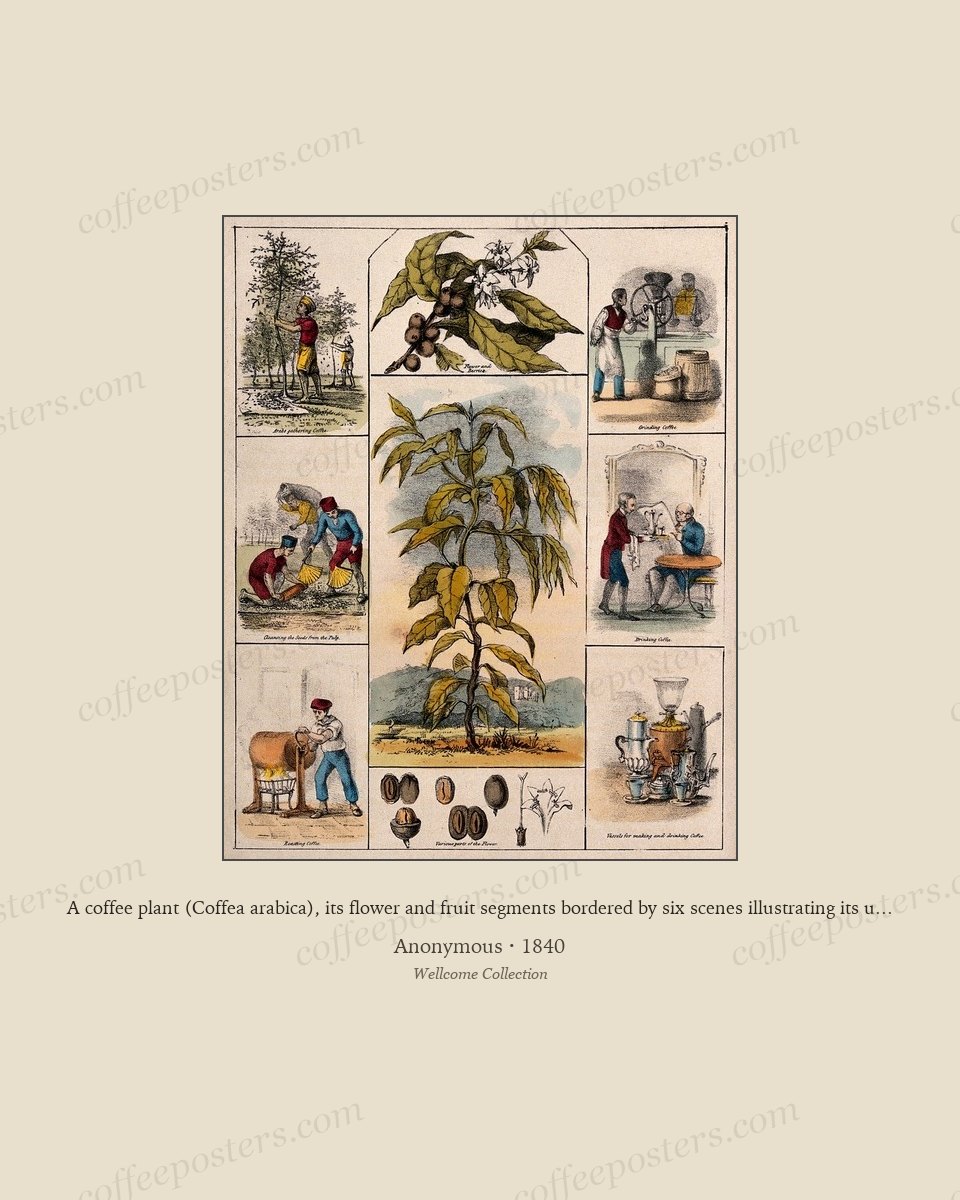
Dutch art recorded coffee as commerce earlier and more directly than most. From the Dutch East India Company (VOC) era through the 19th century, Dutch painting and print documented the plant, the colo
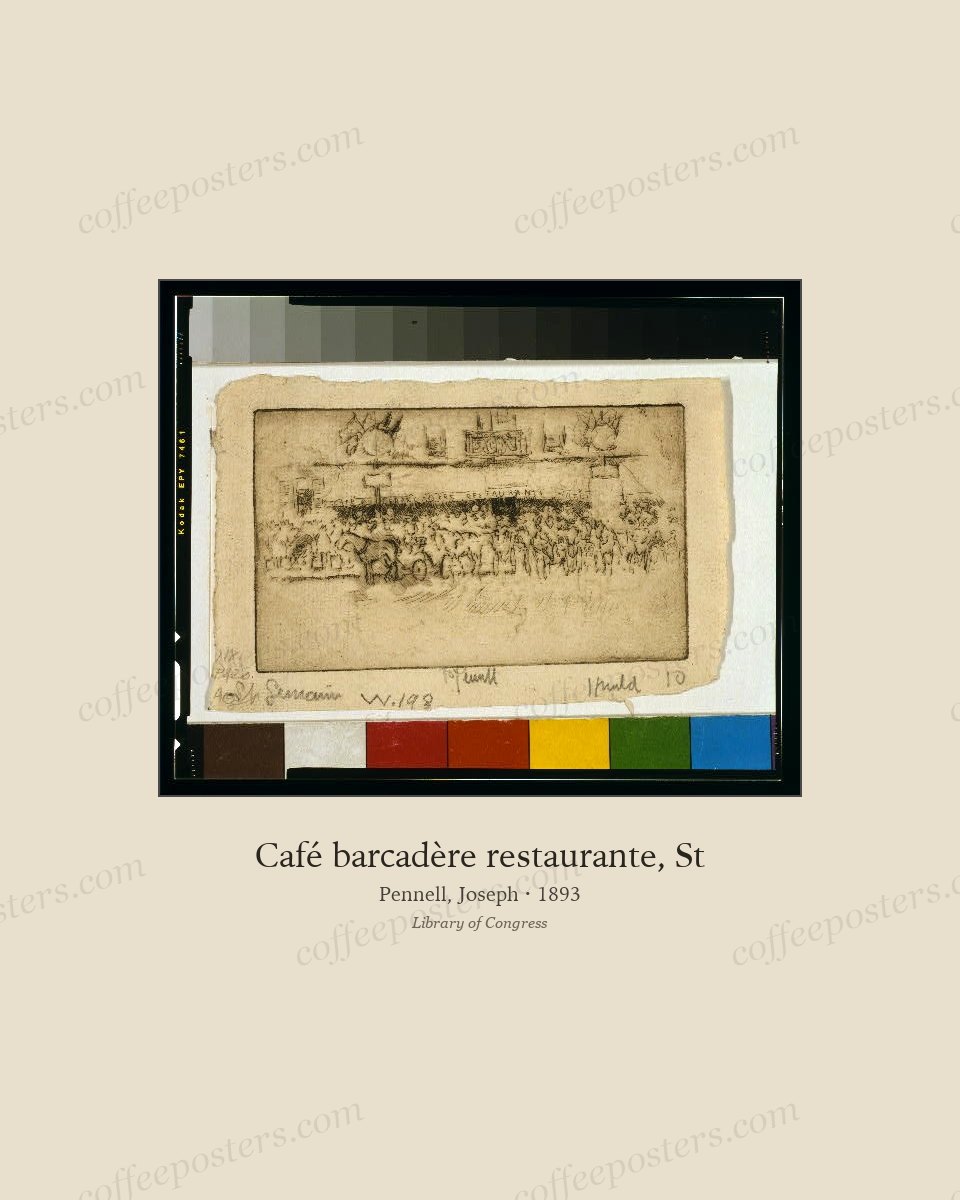
12 coffee pieces no specialty cafe should be without
Twelve pieces make a complete café collection because they cover all four registers of the coffee image: style (Belle Époque posters), origin (botanical plate and plantation landscape), process (a roa